PET Bottle Quality Does Not Depend on rPET Content Alone
2026/10/07
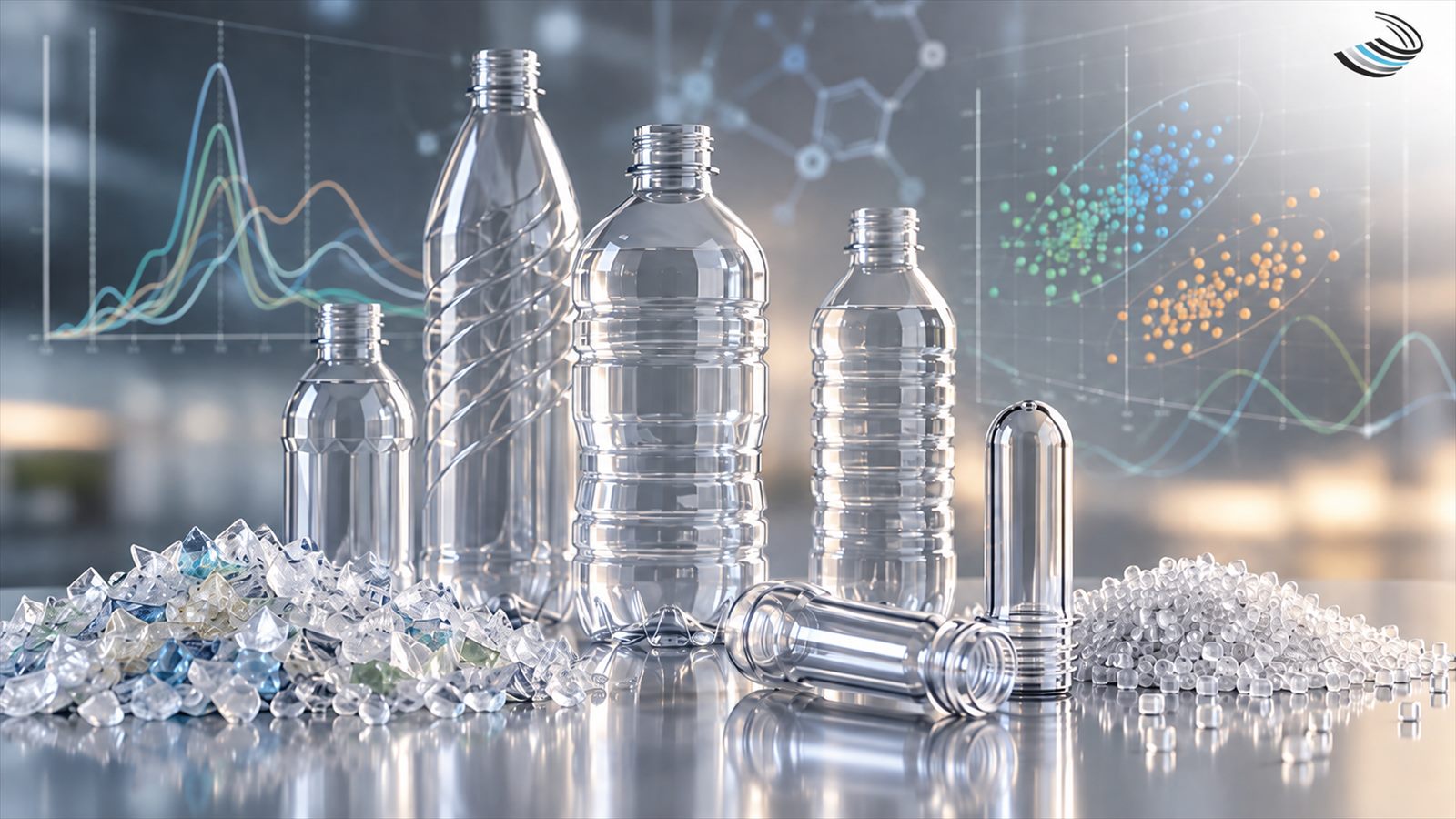
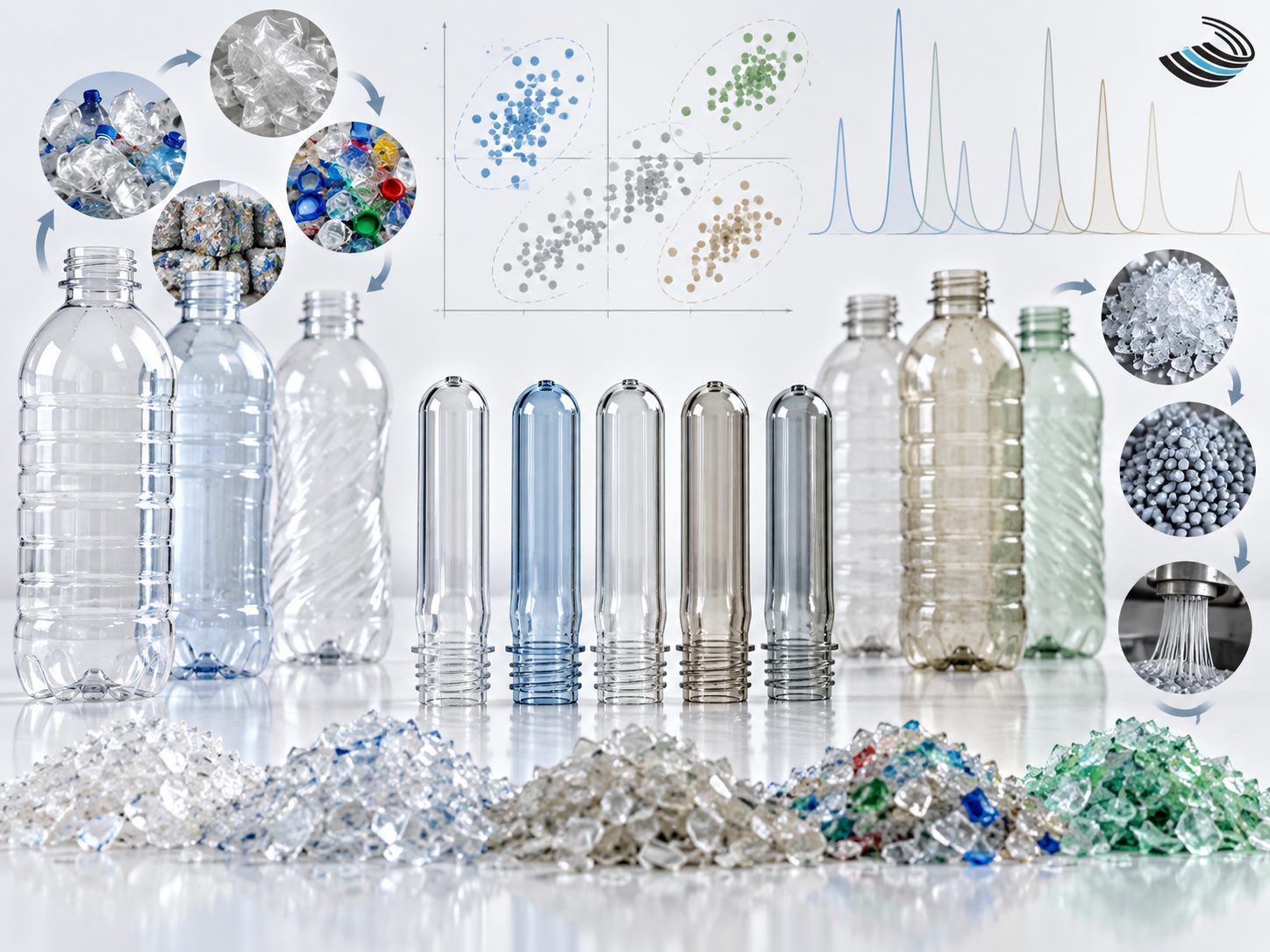
Does a higher percentage of rPET automatically mean better or more consistent material quality? A recent study of commercial PET beverage bottles shows that the answer is far more complex than a single percentage on the label. Feedstock purity, processing history, packaging components, and contamination control can all significantly influence the chemical profile of recycled PET.
In recent years, recycled PET, or rPET, has become one of the most important topics in the packaging industry. From water and soft-drink bottles to broader circular-economy strategies, manufacturers around the world are working to increase the proportion of recycled material used in packaging.
But an important question remains: Does a higher percentage of rPET necessarily indicate higher or more consistent material quality?
A scientific study published in September 2026 in the journal Polymers suggests that the answer is not so simple.
By examining the chemical fingerprints of commercial PET beverage bottles, researchers found that the declared recycled-content percentage alone could not fully explain the chemical variability observed among the samples. Feedstock quality, recycling and processing history, packaging-related inputs, and potential contamination all appeared to play important roles.
For the PET industry, this is a significant reminder: a single number rarely tells the whole story of material quality.
What Is rPET, and Why Is It Becoming More Important in Packaging?
rPET stands for Recycled Polyethylene Terephthalate. It is produced by recovering and processing PET materials—particularly post-consumer bottles—so that the polymer can be returned to the manufacturing cycle and used in new products.
The growing use of rPET is closely connected to the concept of the circular economy. Instead of treating a bottle as waste after one use, the aim is to recover its material value and reintroduce it into production.
However, recycled polymer carries a history.
Before returning to the manufacturing process, the material may have passed through use, collection, sorting, washing, thermal treatment, recycling, and contact with other packaging components.
Labels, adhesives, inks, coatings, closures, other polymers, and external contaminants may also influence the material stream.
This means that evaluating rPET solely by its recycled-content percentage provides only part of the picture.
What Did the 2026 Study Investigate?
The scientific paper was published under the title:
Chemical Variability of Recycled PET Bottles Driven by Packaging Inputs and Processing History: A Marker-Based Multivariate Approach
The researchers examined commercial PET beverage bottles using Py-GC/MS — pyrolysis–gas chromatography–mass spectrometry—a technique capable of generating detailed chemical fingerprints of polymer samples.
The study considered 22 commercial PET beverage bottles containing different declared proportions of recycled material, ranging from blends of virgin and recycled PET to bottles marketed as containing 100% rPET.
According to the study methodology, a subset of the collected bottles was used for detailed comparative chemical analysis.
The objective was not to rank brands or classify bottles as safe or unsafe. Instead, the researchers sought to understand how much the chemical profiles of commercial PET bottles vary and which factors may be associated with that variability.
Four Chemical Profile Groups Used to Understand Recycled PET
One of the most interesting aspects of the study was that the researchers did not focus on a single chemical compound.
Instead, detected substances were organized into four diagnostic profile groups.
The first group consisted of PET transformation products, representing compounds associated with the polymer itself and its thermal transformation.
The second group included packaging-associated compounds, potentially linked to materials such as adhesives, coatings, inks, other polymers, or food-contact packaging components.
A third group contained mixed-origin compounds, where a single definitive origin could not be assigned.
The fourth group included condensed aromatic structures associated with more complex transformation behavior.
The researchers found that PET-related transformation products formed a relatively stable chemical background across samples, while a substantial part of the variability between bottles was associated with packaging-related inputs and transformation-derived aromatic compounds.
This finding makes the concept of recycled-material quality considerably more nuanced.
The Key Finding: rPET Percentage Alone Does Not Determine Chemical Quality
This is arguably the most important conclusion of the study.
Bottles marketed as containing 100% rPET did not cluster within one narrow chemical profile. Instead, they appeared across a broad range of chemical fingerprints.
In practical terms, bottles carrying the same declared recycled-content percentage could still show substantially different levels of chemical complexity.
The researchers concluded that observed variability may be influenced more strongly by factors such as:
- feedstock purity and quality;
- recycling history;
- processing conditions;
- packaging-related inputs;
- and contamination introduced throughout the material cycle.
This finding has an important industrial implication.
Just as preform weight alone does not determine the quality of a finished PET bottle, recycled-content percentage alone cannot fully describe the chemical quality of rPET.
What Are NIAS, and Why Do They Matter in Recycled PET?
One of the central terms in the study is NIAS, short for Non-Intentionally Added Substances.
NIAS are substances that are not deliberately added to packaging as specified raw materials or functional additives but may nevertheless appear in the final material.
They can originate from:
- polymer degradation;
- impurities in raw materials;
- manufacturing processes;
- recycling operations;
- external contamination;
- previous product use;
- or interaction with other packaging components.
The issue becomes especially important in recycled PET because the material may already have undergone one or more use and processing cycles.
The 2026 research indicates that part of the chemical variability found in commercial bottles was associated with compounds potentially linked to labels, adhesives, coatings, printing inks, and other packaging-related inputs.
This is an important finding because it demonstrates that PET recycling is not solely about the bottle body.
The design and material selection of the entire packaging system can affect the quality of the recycling stream.
Does the Presence of NIAS Mean a PET Bottle Is Unsafe?
No.
This distinction is essential when interpreting scientific studies.
Detecting a chemical compound—or observing a more complex chemical fingerprint—does not by itself prove that a bottle presents a health risk.
A proper safety assessment would require additional information, including:
- concentration;
- migration potential;
- type and duration of food contact;
- intended use;
- exposure level;
- and toxicological data.
The study itself makes an important distinction: its analytical framework was designed to compare relative chemical complexity and variability, not to provide a direct measure of toxicity, regulatory compliance, or consumer safety.
Therefore, the correct interpretation is not that “rPET is unsafe.”
The more accurate conclusion is:
The quality of recycled PET requires deeper evaluation than simply checking the percentage of recycled material.
What Is the Quality Index Used in the Study?
The researchers combined multivariate statistical analysis with a composite Quality Index, or QI, to compare differences among the PET bottle samples.
Principal Component Analysis, or PCA, was used to identify dominant patterns within the chemical data.
The first two principal components explained approximately 80.9% of the overall variance observed in the dataset, allowing the researchers to distinguish samples with different chemical profiles more effectively.
The QI provided an additional comparative tool for assessing the relative chemical complexity of the bottles.
Samples with higher QI values generally showed lower contributions from certain packaging-associated compounds and selected aromatic structures.
However, this point requires careful interpretation:
QI was not designed as a safety rating.
A higher or lower QI does not mean that one bottle is categorically safe or unsafe. It is a comparative analytical index intended to help researchers evaluate chemical fingerprint patterns.
What Factors Can Affect rPET Quality?
The study presents recycled PET quality as the result of an entire material history rather than a single manufacturing parameter.
Important factors can include:
- purity of the recycled feedstock;
- quality of sorting and washing;
- previous use of the material;
- number and intensity of thermal-processing cycles;
- contamination by other polymers;
- adhesives and label materials;
- inks and coatings;
- packaging design;
- process control;
- and cross-contamination within the recycling stream.
For manufacturers, this reinforces a fundamental principle: achieving consistent recycled material requires control throughout the entire chain.
Even something as seemingly minor as a label adhesive can become relevant when millions of packages enter the recycling system.
Is rPET the Future of the PET Packaging Industry?
rPET is clearly an important part of the global transition toward more circular packaging systems.
But the future of recycled PET cannot be defined simply by increasing the recycled percentage printed on a product specification.
Successful circular packaging will depend not only on how much PET is recycled, but also on how well it is recycled.
Improved feedstock purity, better packaging design for recycling, stronger contamination control, traceability, advanced sorting technologies, and more sophisticated quality monitoring will likely become increasingly important.
In other words:
The future is not simply about using more recycled PET; it is about using better-controlled, more traceable, and more consistently processed recycled PET.
What Does This Research Mean for PET Preform and Bottle Manufacturers?
For the preform and bottle industry, the message is familiar but important:
Final product quality results from a system of decisions, not from one isolated number.
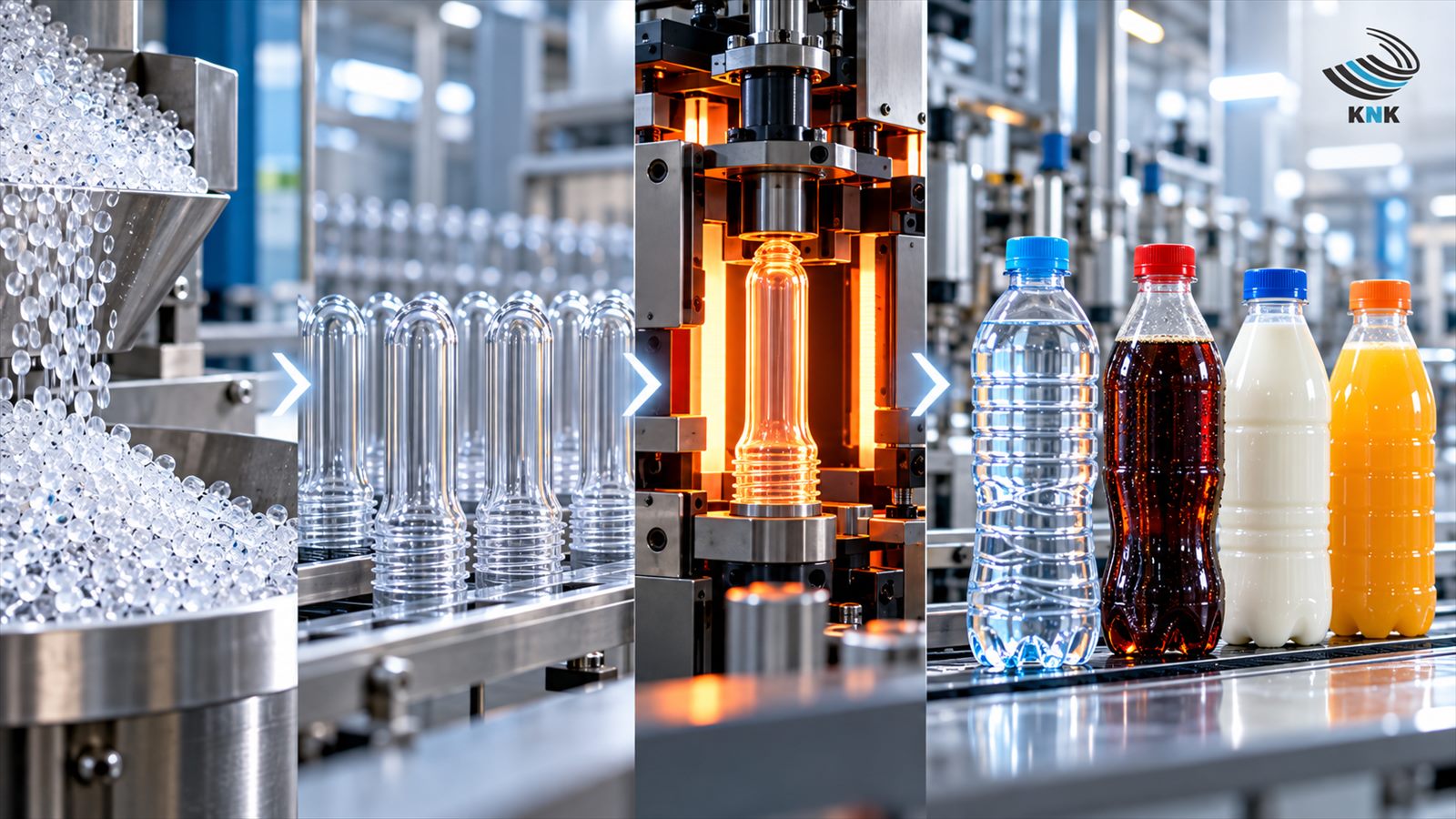
Raw-material quality, material consistency, injection-molding stability, preform production, blow molding, contamination control, bottle design, and compatibility among all packaging components should be considered together.
The same principle applies to recycled material.
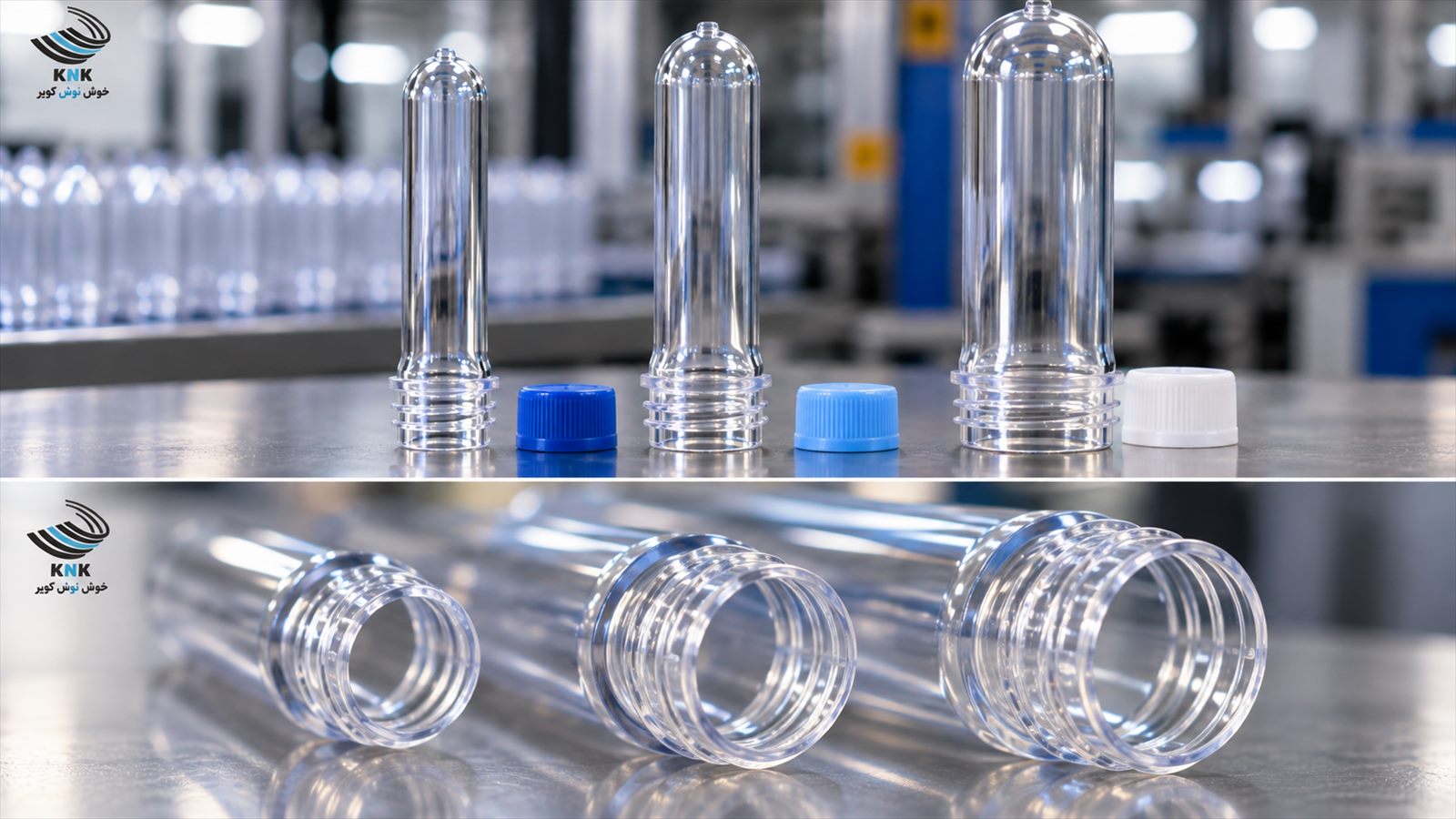
A preform cannot be properly assessed solely by its weight or neck diameter, and rPET cannot be fully evaluated solely by its declared recycled-content percentage.
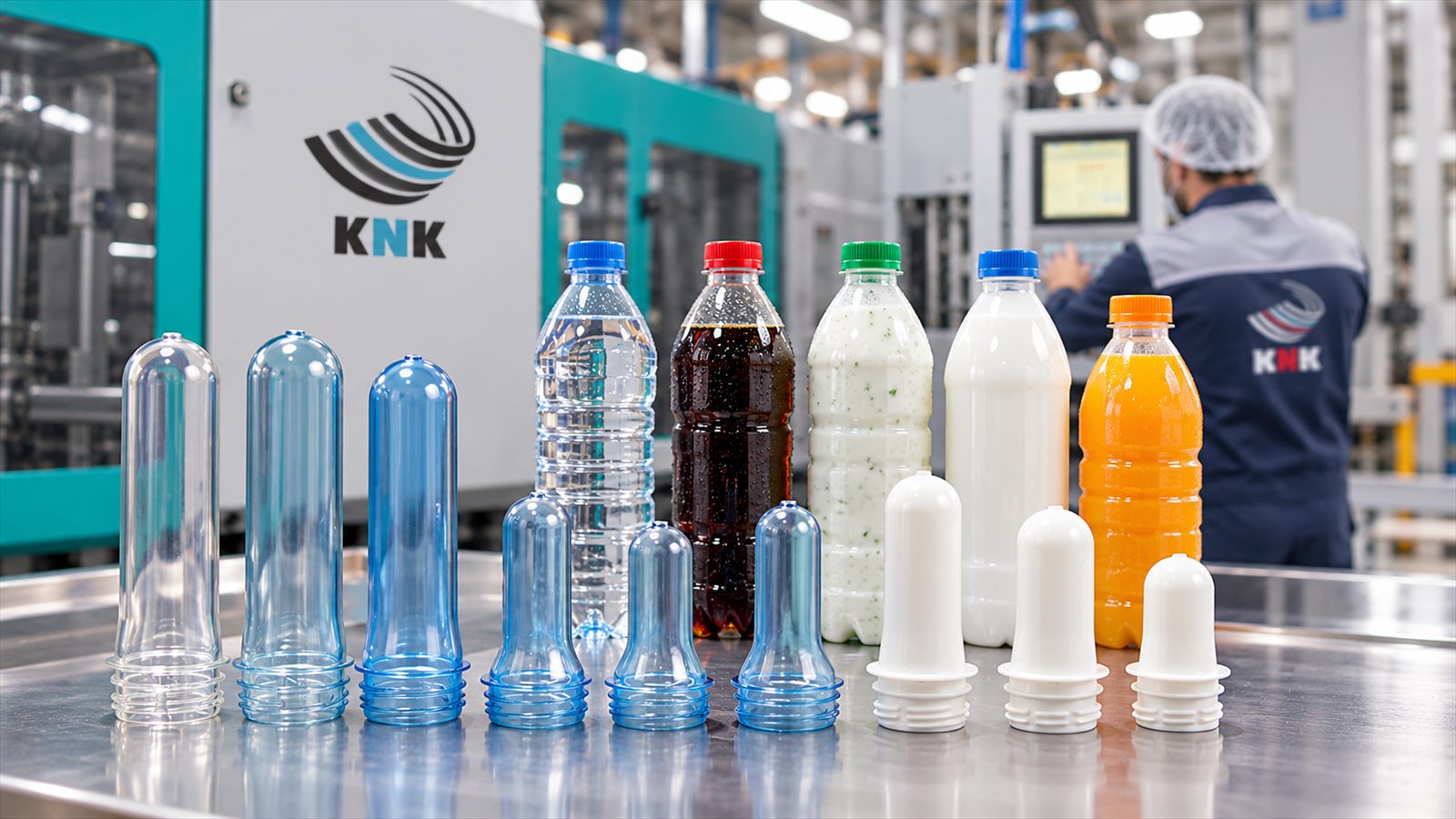
For companies seeking PET preforms or PET bottles that match specific product, bottle, and production-line requirements, Khosh Noosh Kavir can review the relevant technical specifications before an industrial order is finalized. For complementary packaging capabilities, Piroozan Sanat Arian Kavir, another company within the same industrial family, also operates in related packaging sectors.
An Important Clarification: This Study Is Not an Argument Against rPET
Scientific findings are sometimes oversimplified.
A new technology may be presented as either completely flawless or fundamentally problematic, while the actual research is usually far more nuanced.
This study does not conclude that recycled PET is inherently lower in quality.
In fact, the broad variation observed even among bottles with high recycled content suggests something more useful:
the quality of the recycling chain and the control of incoming materials may matter more than recycled percentage alone.
That distinction is critical.
It changes the discussion from:
“Is recycled PET good or bad?”
to a far more productive question:
“How can recycled PET be produced, controlled, and monitored more effectively?”
Conclusion: Quality Cannot Be Reduced to a Single Percentage
The 2026 study published in Polymers provides a more detailed picture of one of the major challenges facing the PET packaging industry.
Commercial PET bottles showed chemical variability that could not be explained solely by their declared recycled-content percentages.
Feedstock quality, recycling history, processing conditions, packaging design, adhesives, coatings, inks, and other packaging-related inputs may all contribute to the final chemical profile of recycled PET.
For the packaging industry, the message is clear:
A truly circular PET system requires recycling to be supported by quality control, process engineering, traceability, and a deeper understanding of material history.
Khosh Noosh Kavir, with its focus on PET preform and bottle manufacturing, quality control, and industrial packaging requirements, considers this technical perspective highly relevant to the future development of PET packaging.
For projects involving preform selection, bottle specifications, neck finish, production-line requirements, or industrial quantities, customers can provide the relevant technical details to the Khosh Noosh Kavir team for review. Where broader complementary packaging capabilities are required, the activities of Piroozan Sanat Arian Kavir may also be considered as part of the wider industrial ecosystem.
The future of PET is not only more recycled—it is more controlled, more traceable, and more precisely engineered.
Scientific Reference
Raclavská, H., Kucbel, M., Růžičková, J., Švédová, B., Kantor, P., Slamová, K., & Scala, F.
Chemical Variability of Recycled PET Bottles Driven by Packaging Inputs and Processing History: A Marker-Based Multivariate Approach.
Polymers, 2026, 18(18), 2194.
DOI: 10.3390/polym18182194
Photos