Factors Affecting PET Preform Prices: A Guide to Quotations and Wholesale Purchasing
2026/11/07
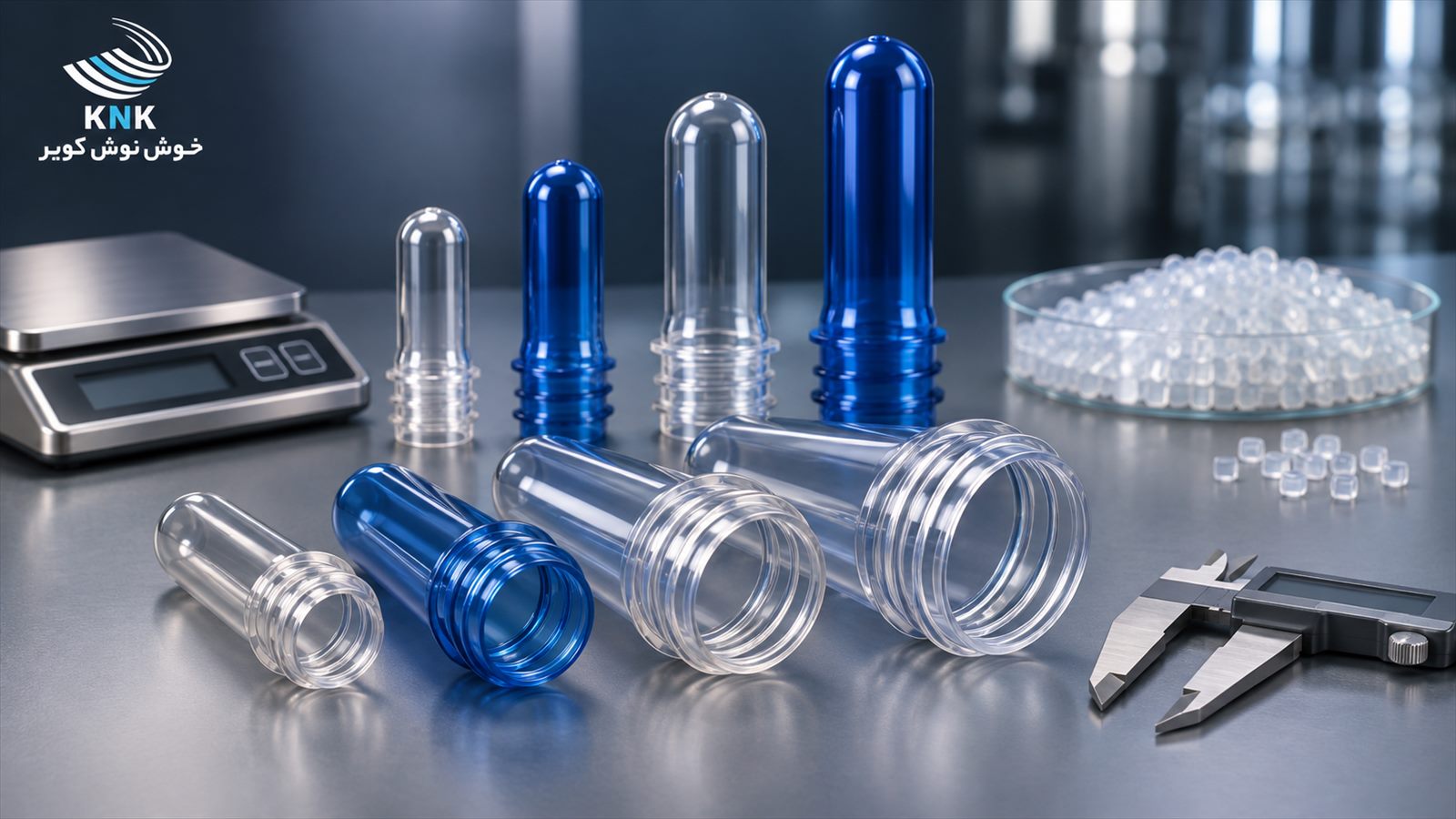
PET preform pricing depends on more than weight or neck diameter; resin, preform specifications, color, application, order volume, and supply conditions all influence the final quotation. For wholesale buyers, price should be evaluated together with quality consistency, blow-molding performance, and compatibility with the final bottle and production line.
One of the first questions when purchasing PET preforms is naturally about price. However, in industrial supply, an accurate quotation cannot be prepared without understanding the actual product specifications and order requirements.
Preform weight, Neck Finish, color, intended application, order volume, raw-material conditions, and delivery requirements can all influence the final quotation. This means that comparing two preforms only by their unit price may be misleading unless their technical specifications and intended uses are genuinely comparable.
For a professional buyer, the more useful question is not simply “Which preform is cheaper?” but rather which preform provides the right technical and economic performance for the production line.
How Do Preform Weight, PET Resin, and Technical Specifications Affect Cost?
PET resin represents an important part of the material used in preform production, which makes preform weight one of the significant factors affecting production cost.
However, a lighter preform is not automatically more economical. If excessive lightweighting results in unstable blow molding, higher scrap rates, difficult process adjustments, or reduced bottle performance, the initial material saving may be lost later in production.
Raw PET material conditions, preform geometry, Neck Finish, color requirements, and the use of masterbatch may also influence the overall cost structure.
The objective should therefore not be to select the lightest or lowest-priced preform, but to find an appropriate balance between material efficiency, process stability, and final bottle performance.
Why Should 28, 30, 38, and 45 mm Preforms Not Be Compared by Price Alone?
Different PET preform families are designed for different packaging applications.
At Khosh Noosh Kavir, the 28 mm PCO 1810 preform is used for applications such as carbonated beverages and doogh, while the 30 mm Short Neck 29/25 preform is an important option for mineral water packaging. The 38 mm 3-Start family is used for applications such as milk and juice, while 45 mm preforms serve different packaging requirements.
These products may differ in weight, geometry, neck design, material consumption, and production requirements.
For this reason, asking whether a 28 mm preform is “cheaper” than a 38 mm or 45 mm preform does not provide a meaningful purchasing comparison by itself.
The first step is to determine which preform family is technically compatible with the bottle, closure, mould, and blow-molding line.
In Wholesale Purchasing, the Real Cost Is More Than the Purchase Price
For industrial customers, the true cost of a PET preform should be considered beyond the initial quotation.
A lower-priced preform that causes unstable Stretch Blow Moulding, frequent Heat Profile adjustments, increased scrap, inconsistent wall thickness, or production interruptions may ultimately increase the cost of producing each acceptable bottle.
By contrast, consistent weight and dimensions, reliable Neck Finish quality, uniform color, predictable thermal behavior, and repeatable performance across large orders may create significant operational value.
This is why wholesale PET preform purchasing should consider total production efficiency, not simply the lowest unit price.
What Information Is Needed for an Accurate PET Preform Quotation?
A professional quotation request should include more than a general question about PET preform prices.
The supplier should ideally know the bottle application and capacity, required Neck Finish, target preform weight, color, closure type, bottle design, general mould and blow-molding conditions, required order volume, and delivery requirements.
For example, a mineral water producer requesting a 30 mm 29/25 PET preform should not rely on bottle volume alone when selecting the appropriate preform weight. Bottle geometry, mould design, and actual blow-molding conditions can also influence the final selection.
Providing accurate technical information therefore helps both the buyer and the manufacturer reach a quotation based on the real production requirement rather than an incomplete specification.
Buying PET Preforms Directly from a Manufacturer
Price is an important factor in wholesale PET preform purchasing, but it should not be the only purchasing criterion.
Selecting the correct Neck Finish and weight, checking compatibility with the mould and blow moulder, evaluating production consistency, and ensuring reliable industrial supply can have a greater impact on long-term manufacturing performance than a small difference in the initial quotation.
Khosh Noosh Kavir (KNK) manufactures different PET preform families for mineral water, carbonated beverages, doogh, milk, juice, and other packaging applications.
For a more relevant quotation, customers can provide their bottle specifications, Neck Finish, required preform weight, color, application, order volume, and delivery requirements to the KNK sales team.
The objective is not simply to obtain a price for a PET preform; it is to select a preform whose technical performance and overall cost are properly aligned with the production line.
Latest Articles
Why Do PET Preforms or Bottles Become Hazy, Yellow, or Brittle? A Scientific Troubleshooting Guide
What Is Intrinsic Viscosity (IV) in PET and Why Does It Matter for Preform and Bottle Quality?