
Articles
Technical guides and articles on PET preforms and bottles — selection, production and quality control
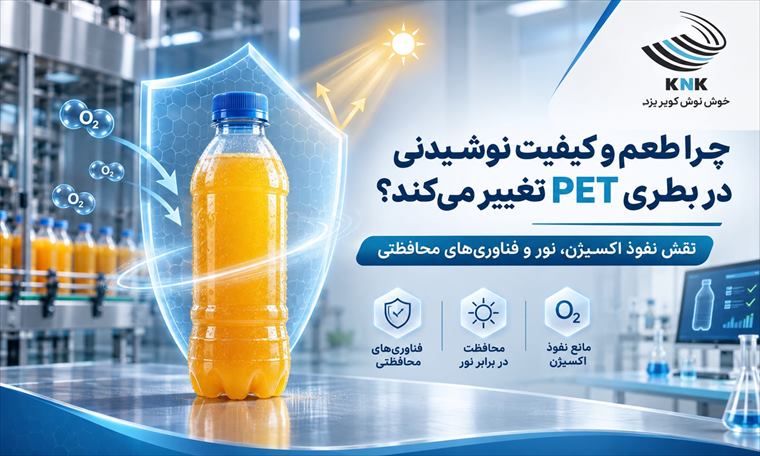
Why Does Beverage Taste and Quality Change in PET Bottles?
Oxygen permeability, light exposure, and carbon dioxide loss can affect the taste, color, and shelf life of beverages packaged in PET bottles. Discover how barrier technologies, bottle design, and proper PET preform selection contribute to preserving beverage quality.
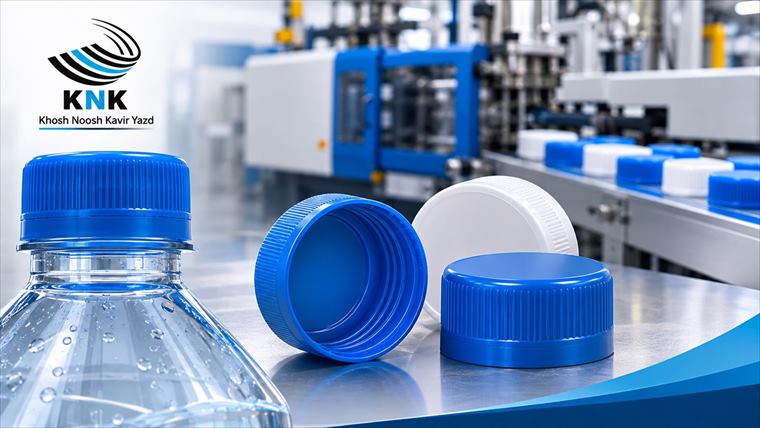
How Are Bottle Caps Manufactured?
Discover how plastic bottle caps are manufactured, how PE materials and 38 mm neck finish specifications affect performance, and why sealing engineering and quality control matter. Explore the complementary expertise of Khosh Noosh Kavir and Piroozan Sanat Arian Kavir.
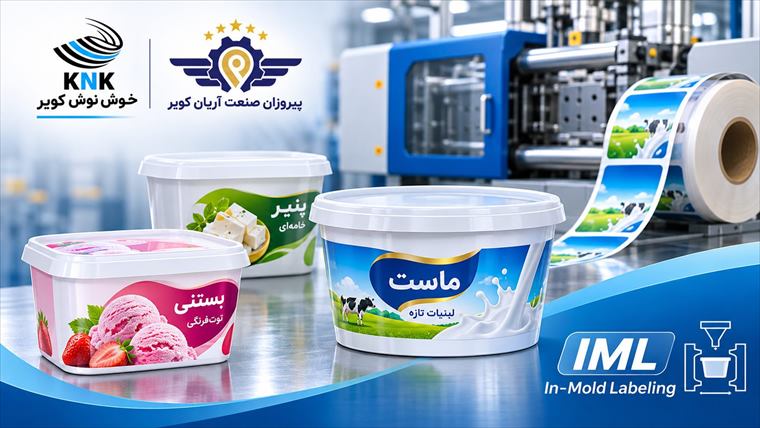
What Is IML Packaging?
IML packaging integrates pre-printed labels with plastic containers during molding, enabling durable graphics and attractive packaging designs. Explore how In-Mold Labeling works, its benefits, quality requirements, and applications in dairy, ice cream, and food packaging.
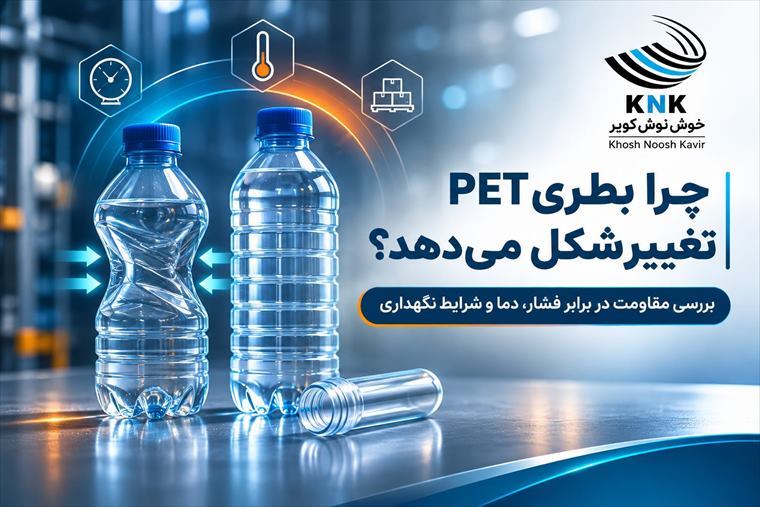
Why Do PET Bottles Deform? Causes and Prevention
Learn why PET bottles deform under pressure, heat, and storage conditions. Explore the role of preform design, wall thickness, and quality testing in improving bottle strength and dimensional stability.
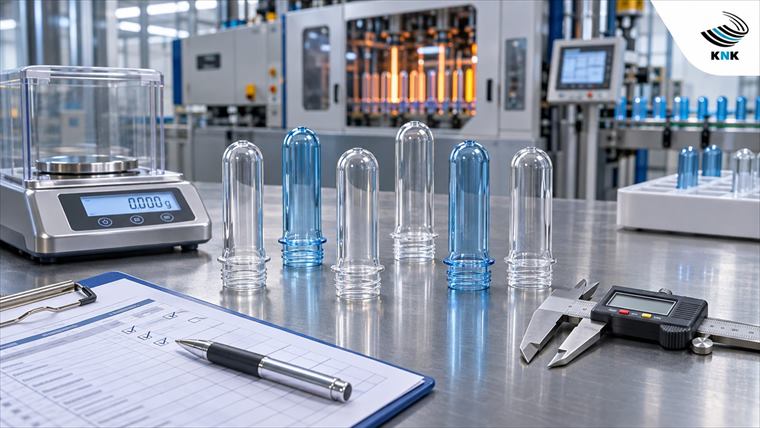
What Should You Test Before Buying PET Preforms in Bulk? A Guide to Sample Evaluation on the Production Line
Correct weight and good appearance alone are not enough to approve a PET preform. The sample should match the agreed specifications and, when necessary, be evaluated under actual production conditions. This guide explains what to inspect before placing a bulk PET preform order and why production-line testing can reduce purchasing risk.
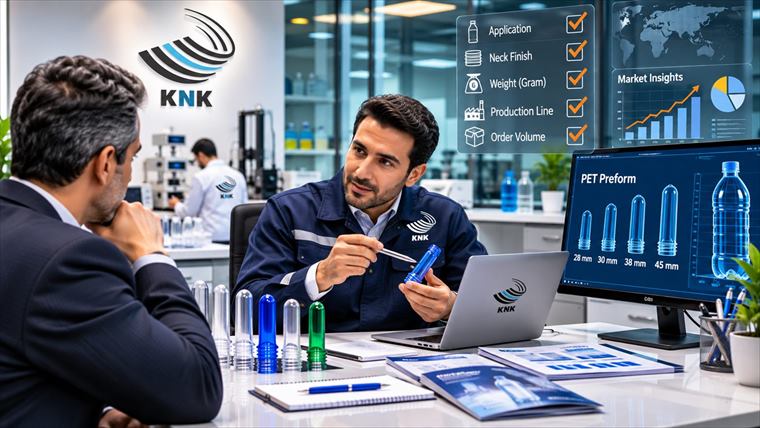
Why Should You Consult a Sales Specialist Before Buying PET Preforms?
Buying PET preforms involves more than selecting a weight or comparing prices; bottle design, neck finish, closure, mould, and blow-molding conditions also matter. A knowledgeable sales consultant can help identify the most suitable preform specifications based on the actual requirements of your production line.
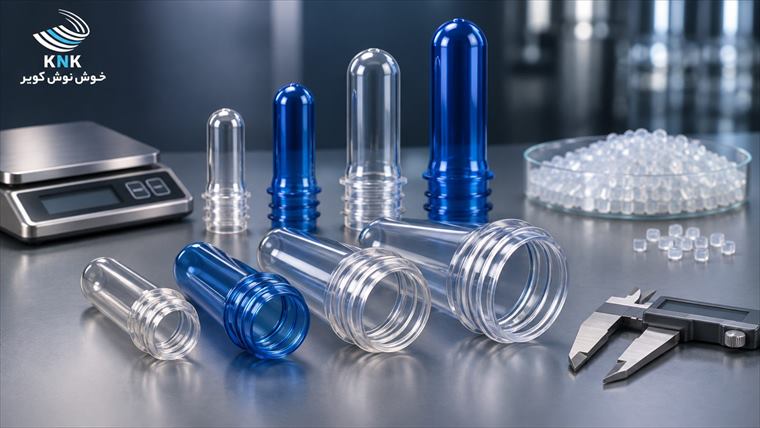
Factors Affecting PET Preform Prices: A Guide to Quotations and Wholesale Purchasing
PET preform pricing depends on more than weight or neck diameter; resin, preform specifications, color, application, order volume, and supply conditions all influence the final quotation. For wholesale buyers, price should be evaluated together with quality consistency, blow-molding performance, and compatibility with the final bottle and production line.
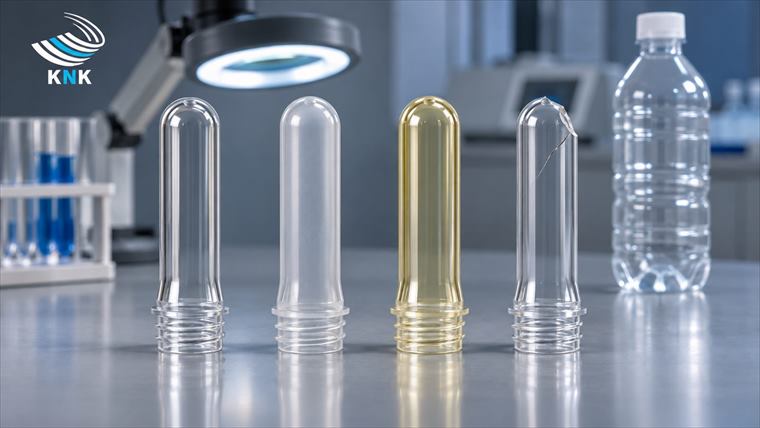
Why Do PET Preforms or Bottles Become Hazy, Yellow, or Brittle? A Scientific Troubleshooting Guide
Haze, yellowing, and brittleness in PET preforms and bottles are different defects that may result from crystallization, moisture, contamination, thermal history, or processing conditions. Correct troubleshooting requires identifying when the defect appears and distinguishing material problems from injection molding, cooling, or stretch blow-molding issues.
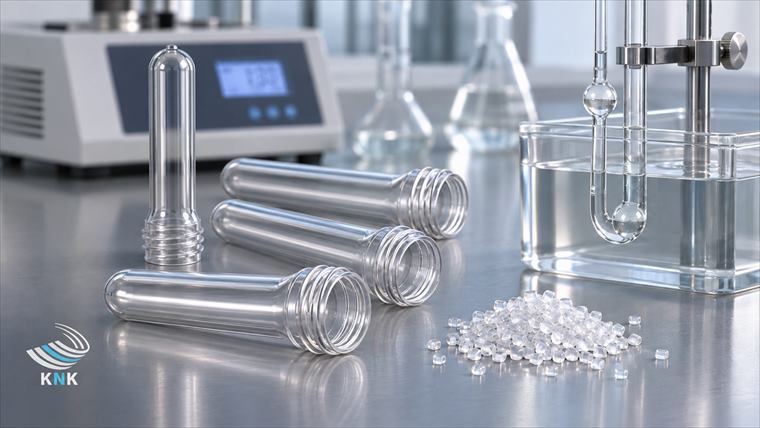
What Is Intrinsic Viscosity (IV) in PET and Why Does It Matter for Preform and Bottle Quality?
Intrinsic Viscosity (IV) is an important PET parameter related to polymer molecular structure and can provide valuable information about resin condition and processing history. However, a higher IV does not automatically mean a better PET preform or bottle; the appropriate resin grade must match the application and production process.