
Articles
Technical guides and articles on PET preforms and bottles — selection, production and quality control
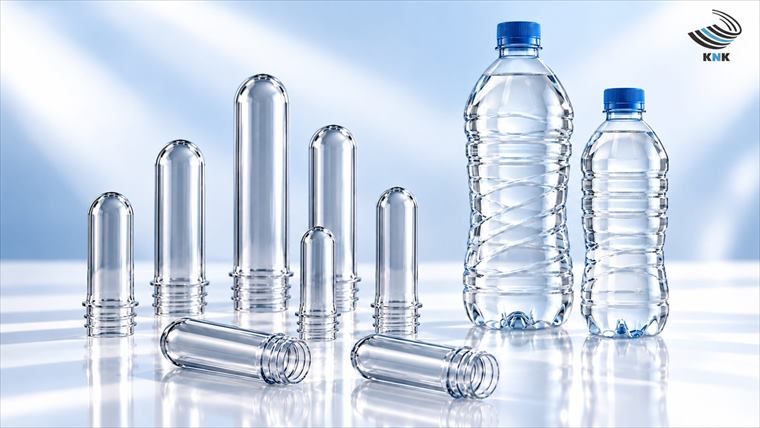
What Is the Right PET Preform Weight for Mineral Water? A Guide to 29/25 PET Preforms
The right PET preform weight for a mineral water bottle cannot be determined by bottle volume alone; bottle geometry, mould design, neck finish, and blow-molding conditions also matter. This guide explains how to select a 29/25 mineral water preform and why the lightest or heaviest option is not necessarily the most economical choice.
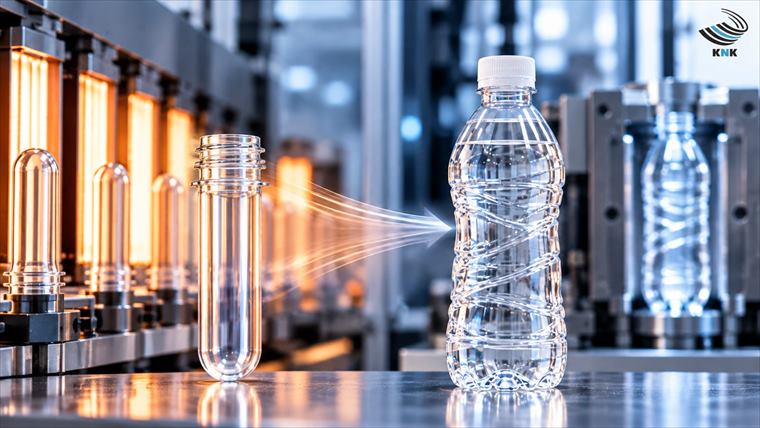
Producing PET Bottles from Preforms: Causes of Bottle Deformation and Blow-Molding Process Factors
The quality of a PET bottle depends on more than the preform itself; heating, stretching, blowing, mould design, and process stability all influence the final result. This guide explains why a suitable preform can still produce a defective bottle and which factors should be evaluated together for consistent production.
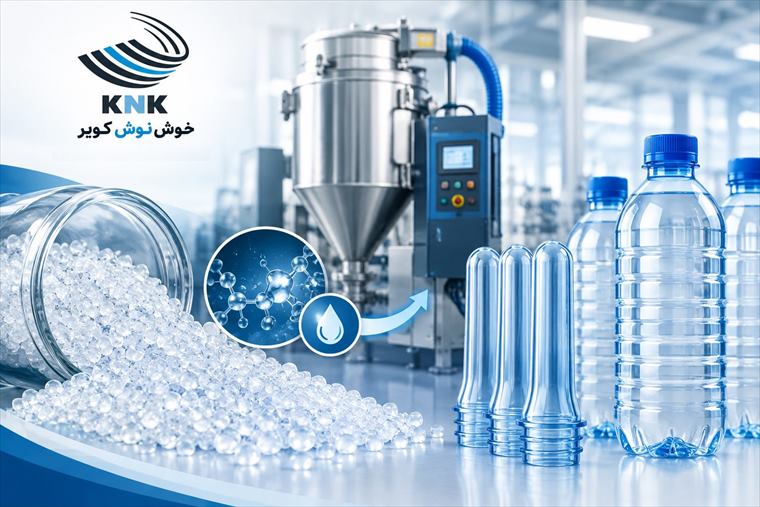
How Does PET Raw Material Moisture Affect Preform and Bottle Quality?
Moisture in PET resin can cause hydrolytic degradation, reduce intrinsic viscosity, and affect preform and bottle quality. Learn about proper drying conditions, moisture-related defects, and effective quality-control practices for PET manufacturing.
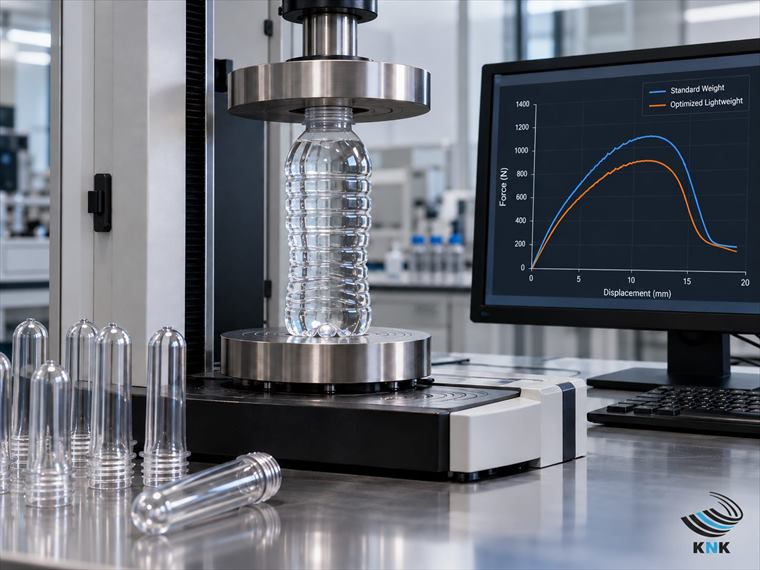
PET Preform and Bottle Lightweighting
PET lightweighting is not simply about using less material; it is about finding the lowest reliable preform weight for a specific bottle, product, and production line. Successful weight reduction requires balancing material efficiency, blow-molding performance, bottle strength, and production consistency.
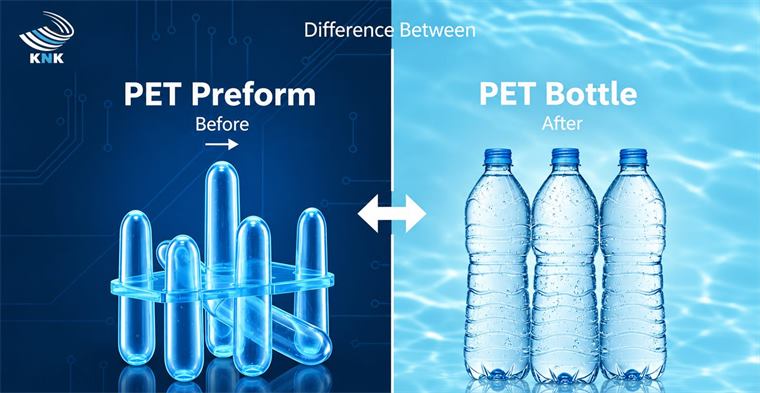
What Is the Difference Between a PET Preform and a PET Bottle?
A PET preform is a compact semi-finished product that is reheated and stretch-blow-molded into a finished PET bottle. Choosing between preforms and ready-made bottles depends on production volume, blow-molding equipment, logistics, storage capacity, and total manufacturing cost.
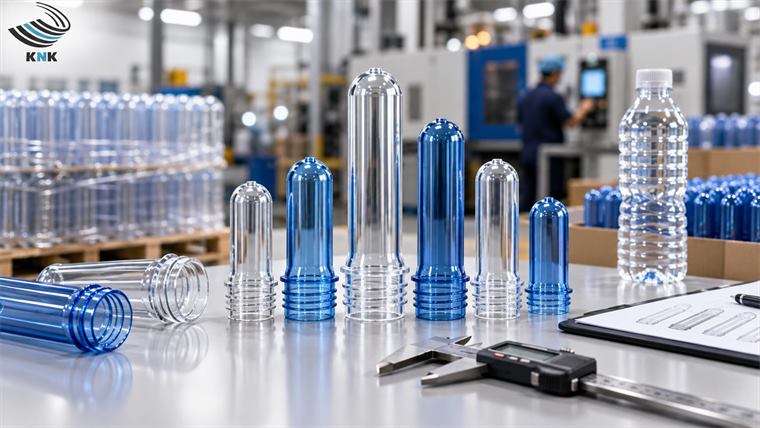
Wholesale PET Preform Buying Guide
The lowest PET preform price does not always mean the lowest production cost; consistency, technical compatibility, supply reliability, and line performance matter just as much. This guide explains what to prepare before requesting a quotation, how to evaluate a manufacturer, and how to reduce risk in bulk PET preform purchasing.
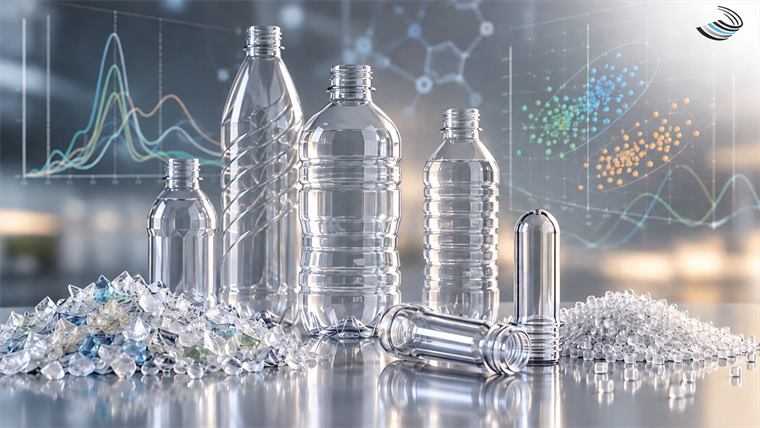
PET Bottle Quality Does Not Depend on rPET Content Alone
Does a higher percentage of rPET automatically mean better or more consistent material quality? A recent study of commercial PET beverage bottles shows that the answer is far more complex than a single percentage on the label. Feedstock purity, processing history, packaging components, and contamination control can all significantly influence the chemical profile of recycled PET.
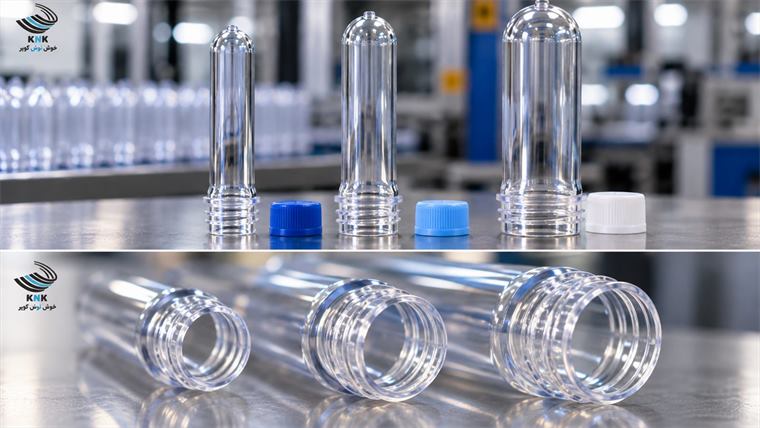
What Is a PET Preform Neck Finish?
A PET preform neck is more than its nominal diameter: the neck finish defines how the preform, closure and packaging line work together. This guide compares PCO 1810, 29/25 and 3-start in KNK’s portfolio and explains Short Neck vs Normal Neck for industrial buyers.
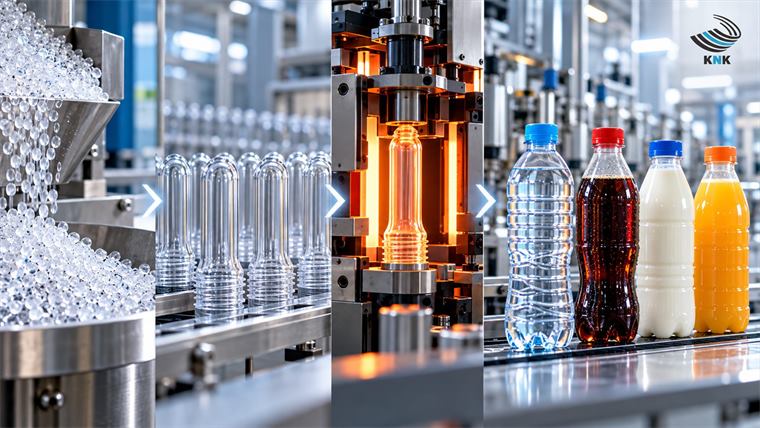
From PET Resin to Bottle: A Professional Guide to PET Preform Production, Quality Control, and Common Defects
This article explains the PET preform production process from resin preparation and injection molding to quality inspection and bottle manufacturing. It also reviews common preform defects, quality-control criteria, mold performance, light weighting, and the key factors industrial buyers should evaluate when selecting a reliable PET preform supplier.