PET Preform Storage: Best Practices for Warehousing and Handling
2026/11/27
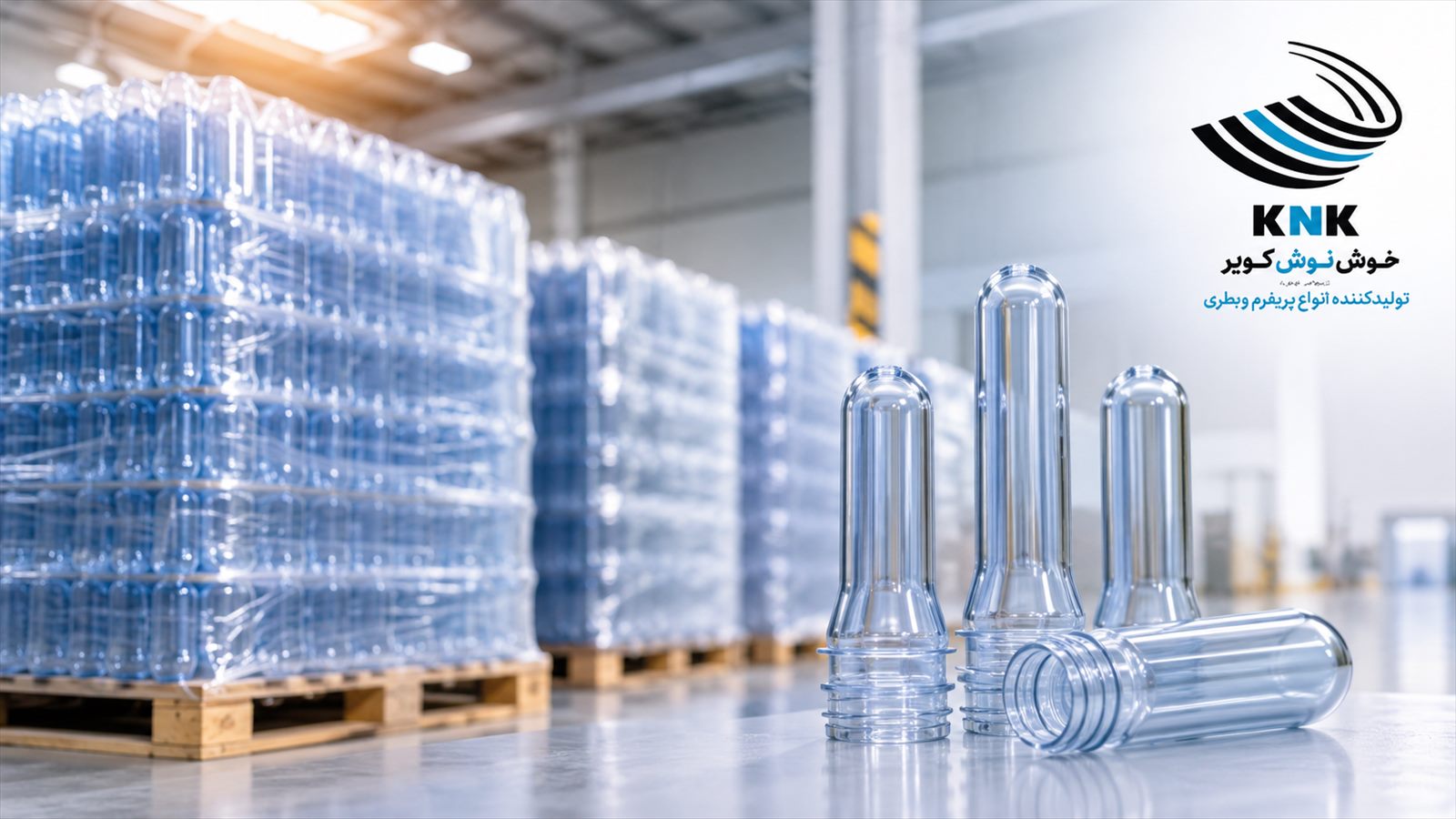
Proper storage and transportation conditions can affect the cleanliness, physical integrity, and quality of PET preforms before they enter the bottle production line. This article explores general guidelines for warehousing, contamination control, inventory management, and maintaining preform quality.
PET preforms are essential components in the production of plastic bottles. However, their quality is not determined solely by raw materials and manufacturing processes. Storage, packaging, and transportation conditions can also affect their physical condition, cleanliness, and suitability for subsequent production stages.
For this reason, following proper PET preform storage practices is important for bottle manufacturers, food and beverage industries, and wholesale buyers. The main objective is to preserve product quality from the time preforms leave the manufacturing facility until they are used on the production line.
Why Is Proper PET Preform Storage Important?
Before being converted into bottles, PET preforms are often stored in warehouses or transported to their destination. During this period, factors such as dust, environmental moisture, direct sunlight, excessive heat, and mechanical pressure may create unfavorable conditions.
Proper storage is important for several reasons:
- Preventing dust and external contaminants from entering the packaging or settling on preform surfaces
- Reducing the risk of physical damage, scratches, or deformation
- Maintaining hygienic conditions for products intended for food and beverage packaging
- Improving inventory management, shipment identification, and product traceability
- Minimizing waste and potential problems during the use of preforms in bottle production
Key Principles of PET Preform Warehousing
1. Choosing a Suitable Storage Environment
The storage area should be kept as clean and dry as possible and should have adequate ventilation. Preforms should be protected from direct sunlight, heat sources, and unfavorable environmental conditions.
Prolonged exposure to excessive heat or significant temperature fluctuations may increase the risk of physical changes. Therefore, warehouse conditions should be managed according to the product's technical specifications and the manufacturer's recommendations.
2. Maintaining Packaging Integrity and Preventing Contamination
Primary packaging plays an important role in protecting preforms against dust, moisture, and other environmental contaminants. Leaving packages open or allowing protective coverings to become damaged may increase the risk of product contamination.
For this reason, preforms should remain in suitable, intact packaging until they are ready for use. If packaging is damaged, the condition of the shipment should be inspected before the products are introduced into the production line.
3. Following Proper Stacking and Storage Practices
Preforms should be stacked in a way that prevents excessive pressure on the packaging and the products themselves.
The permissible stacking height depends on several factors, including packaging type, pallet or container design, shipment weight, and the manufacturer's instructions. Therefore, a single stacking height or number of layers cannot be considered a universal standard for all preform types and packaging systems.
Warehouse access routes should also remain sufficiently clear to allow shipments to be moved without collisions, falling, or mechanical damage.
4. Managing Moisture and Environmental Conditions
Controlling environmental moisture is important, particularly to prevent packaging damage and the entry of moisture or contaminants into the shipment.
It is important to distinguish between the moisture sensitivity of PET during the raw material and melting stages and the storage requirements of finished preforms. The drying requirements for PET resin should not automatically be applied to manufactured preforms without technical evaluation.
For finished preforms, the main general considerations include maintaining intact packaging, preventing contact with water and unfavorable moisture conditions, and following the manufacturer's storage instructions.
PET Preform Transportation: From the Factory to the Point of Use
Transportation is another important stage in maintaining preform quality. Even when products have been manufactured and packaged under suitable conditions, improper transportation can damage packaging or expose shipments to contamination.
The following practices are recommended for the safe transportation of PET preforms:
- Using clean transportation vehicles suitable for the type of shipment
- Protecting packaging from rain, moisture, and direct sunlight
- Preventing contact between shipments and chemicals, contaminants, or goods with unusual odors
- Securing the load properly to prevent movement, falling, or impact damage
- Inspecting the external condition of packaging when the shipment is delivered
These measures help maintain product condition throughout transportation and reduce the likelihood of problems upon delivery.
PET Preform Quality Control After Warehouse Arrival
Quality control should not be limited to the manufacturing stage. Inspecting shipments after delivery and before use is also part of effective supply chain quality management.
At this stage, the following items can be checked:
- Verifying the preform type, weight, and specifications against the purchase order
- Inspecting packaging integrity and checking for signs of contamination or moisture ingress
- Checking batch numbers and shipment identification information
- Visually inspecting preforms for breakage, deformation, or visible damage
- Recording and separating questionable shipments until they have been reviewed and approved by the quality control department
Maintaining traceability information for each shipment also makes it easier to investigate production, supply, and consumption records if a problem occurs.
Inventory Management and PET Preform Storage Time
Effective inventory management is an important part of professional warehousing. Applying the FIFO (First In, First Out) method can help maintain an organized inventory flow and prevent certain shipments from remaining in storage for unnecessarily long periods.
Under this method, shipments received earlier are prioritized for use, unless product specifications, storage conditions, or the manufacturer's instructions require a different approach.
It is important to note that a fixed, universal storage period cannot be defined for all PET preforms without considering product type, raw material characteristics, packaging, and storage conditions. The recommended storage period should be determined according to the product's technical specifications and the manufacturer's guidance.
International Standards and Requirements for PET Preform Storage
At the international level, the storage and handling of packaging materials intended for food contact are considered part of a broader approach to product quality and safety management.
For example, European Union regulations concerning materials and articles intended to come into contact with food include Regulation (EC) No 1935/2004 and the Good Manufacturing Practice (GMP) Regulation (EC) No 2023/2006. These regulations emphasize safety requirements, process control, documentation, and quality management throughout the production and distribution chain.
These regulations do not establish a single universal temperature, humidity level, or stacking height for all PET preforms. Instead, they provide a framework for controlling conditions, maintaining product compliance with its intended use, and managing processes through appropriate documentation.
In practice, specific storage requirements should be determined based on the type of preform, packaging system, manufacturer's specifications, and the requirements of the destination market.
Conclusion: Preserving PET Preform Quality from Warehouse to Production Line
PET preform quality is not determined only during manufacturing; maintaining that quality until the point of use is equally important. A clean and suitable storage environment, intact packaging, safe transportation, proper stacking, and traceable inventory management are among the most important factors in effective PET preform storage.
For wholesale buyers and bottle manufacturers, paying attention to preform storage conditions can help reduce the risks of contamination, physical damage, and potential problems during use. Ultimately, the most reliable basis for determining the specific storage requirements of each product is the technical documentation and guidance provided by its manufacturer.